
A Fubsy Polymath subdomain
Hacking
Hardware-hacking, RF, embedded protocols, and the firmware that runs them.
19 deep dives across the bench — owned hardware, firmware references, and the connective-tissue research that ties them together.
Dashboards & Cross-tool
Find your way around
Devices (16)
Hardware deep dives
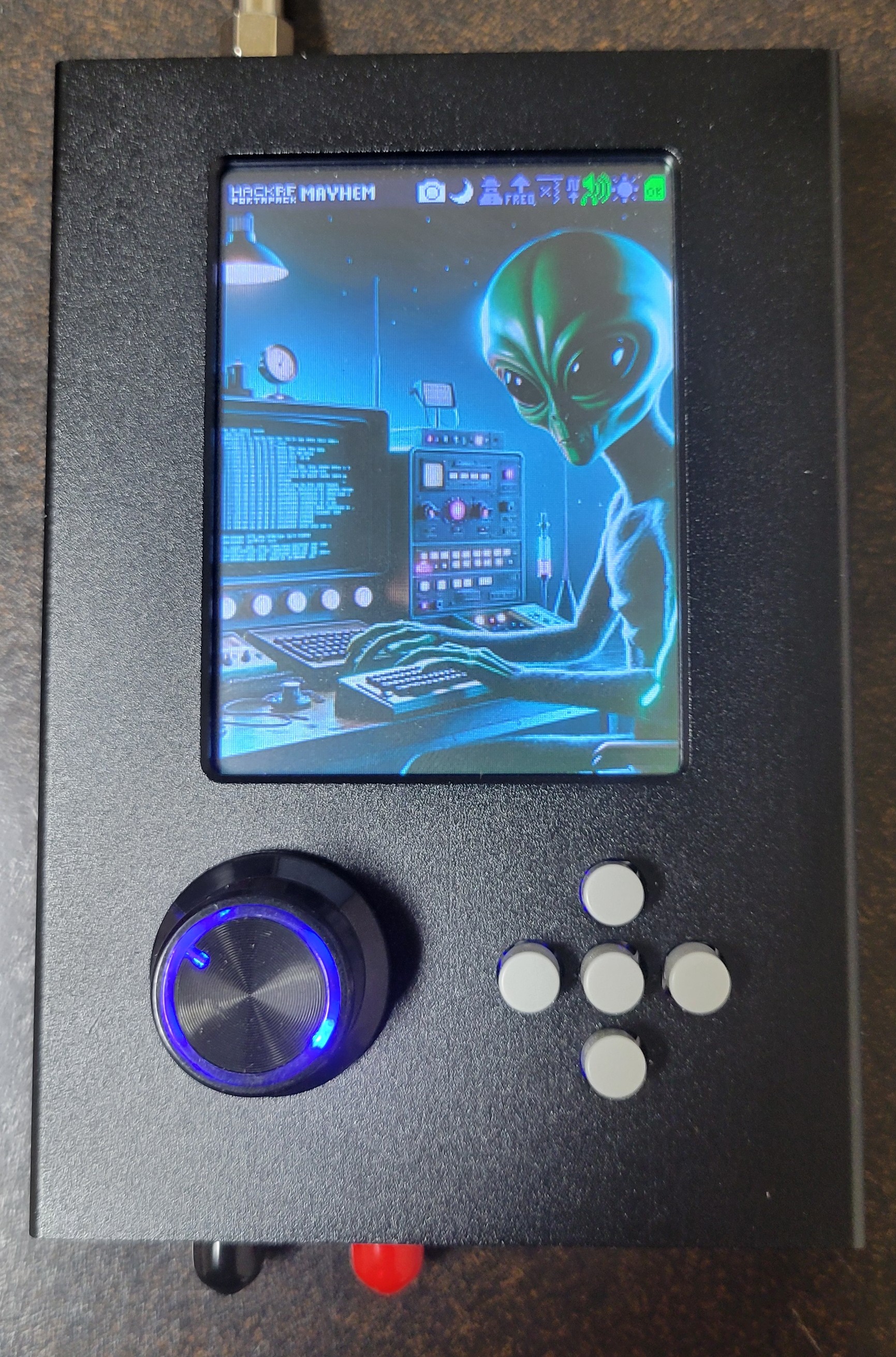 Live
Live HackRF One Wideband SDR (1 MHz – 6 GHz) — the SDR that everything else gets compared to. Live
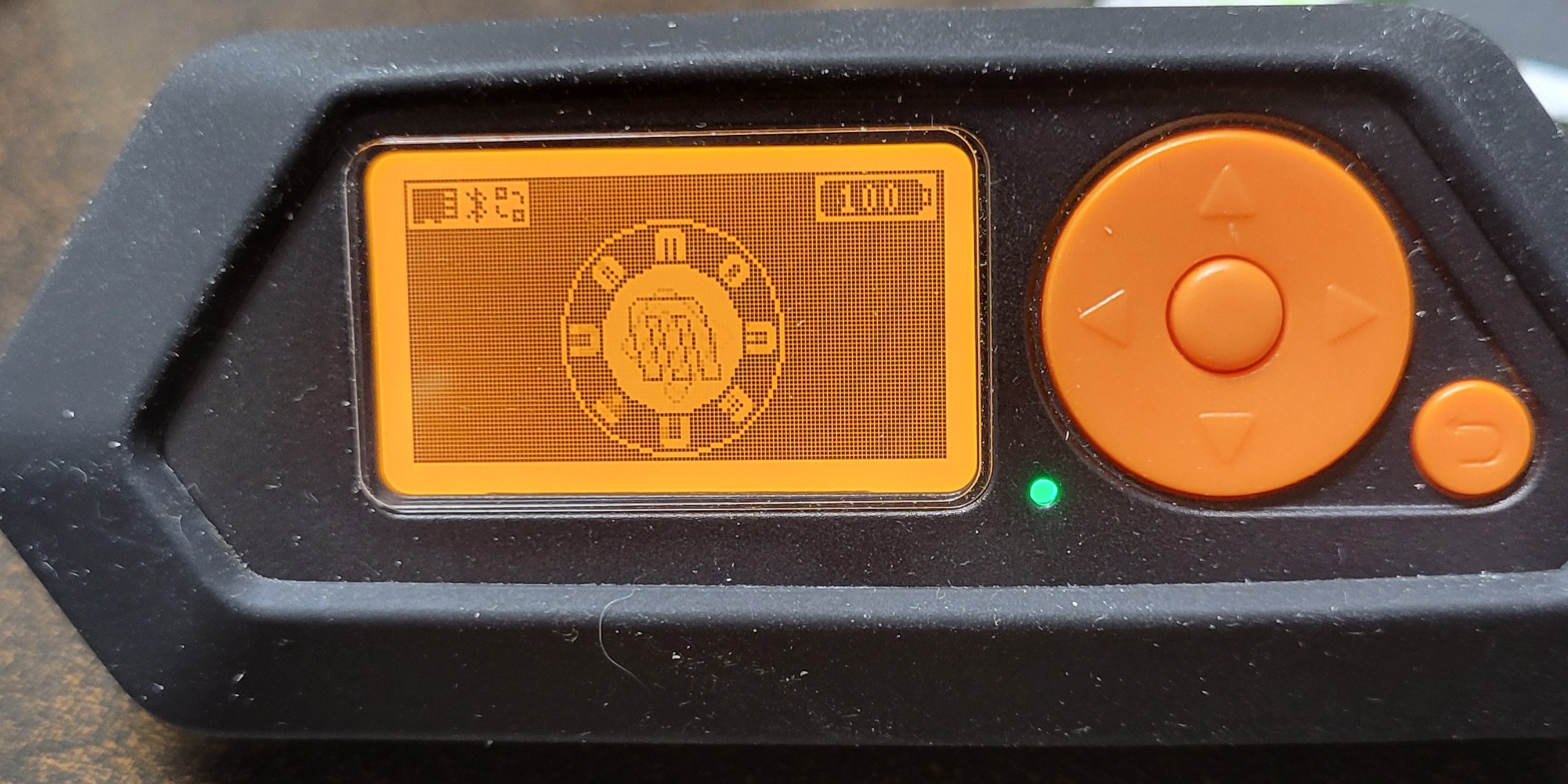 Live
Live Flipper Zero Multi-tool RF/RFID/NFC/IR/BadUSB/GPIO front-end with a modular community ecosystem. Live
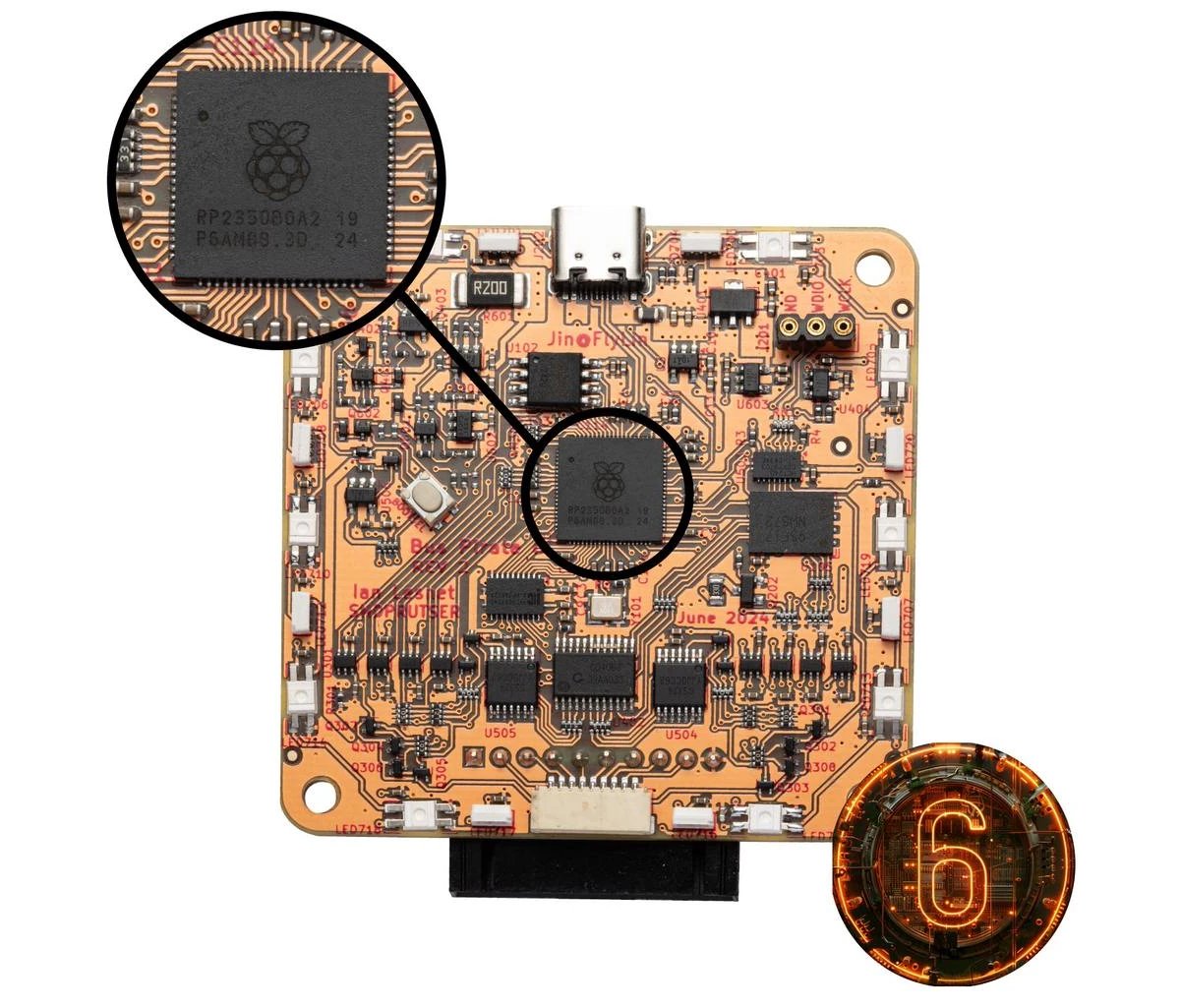 Live
Live Bus Pirate 6 Embedded-protocol Swiss-army knife — UART, I²C, SPI, JTAG/SWD, 1-Wire, smart card, more. Live
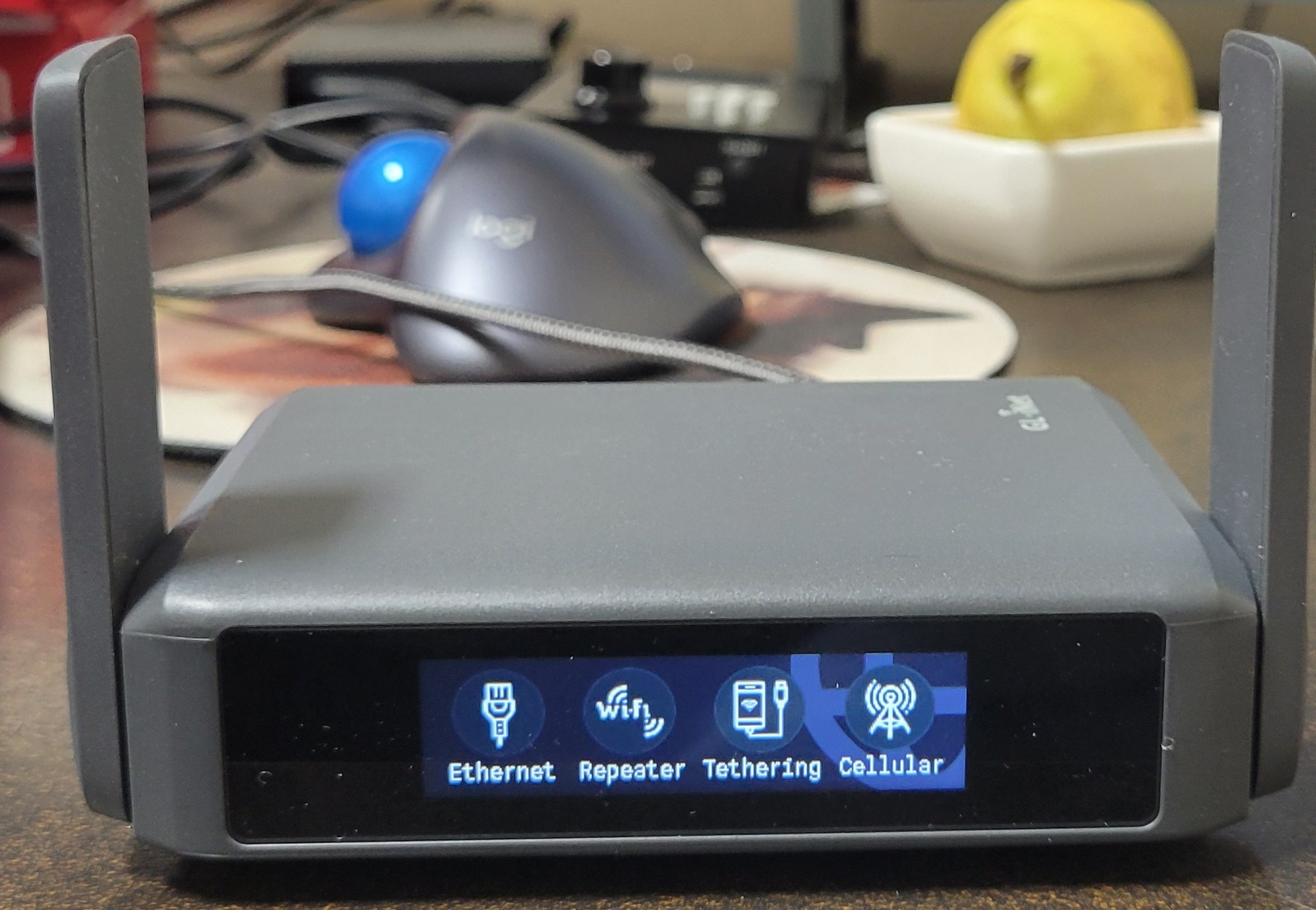 Live
Live GL-iNet GL-BE3600 Wi-Fi 7 travel router — OpenWrt-based pentest/privacy platform for hotels, cafes, conferences. Live
 Live
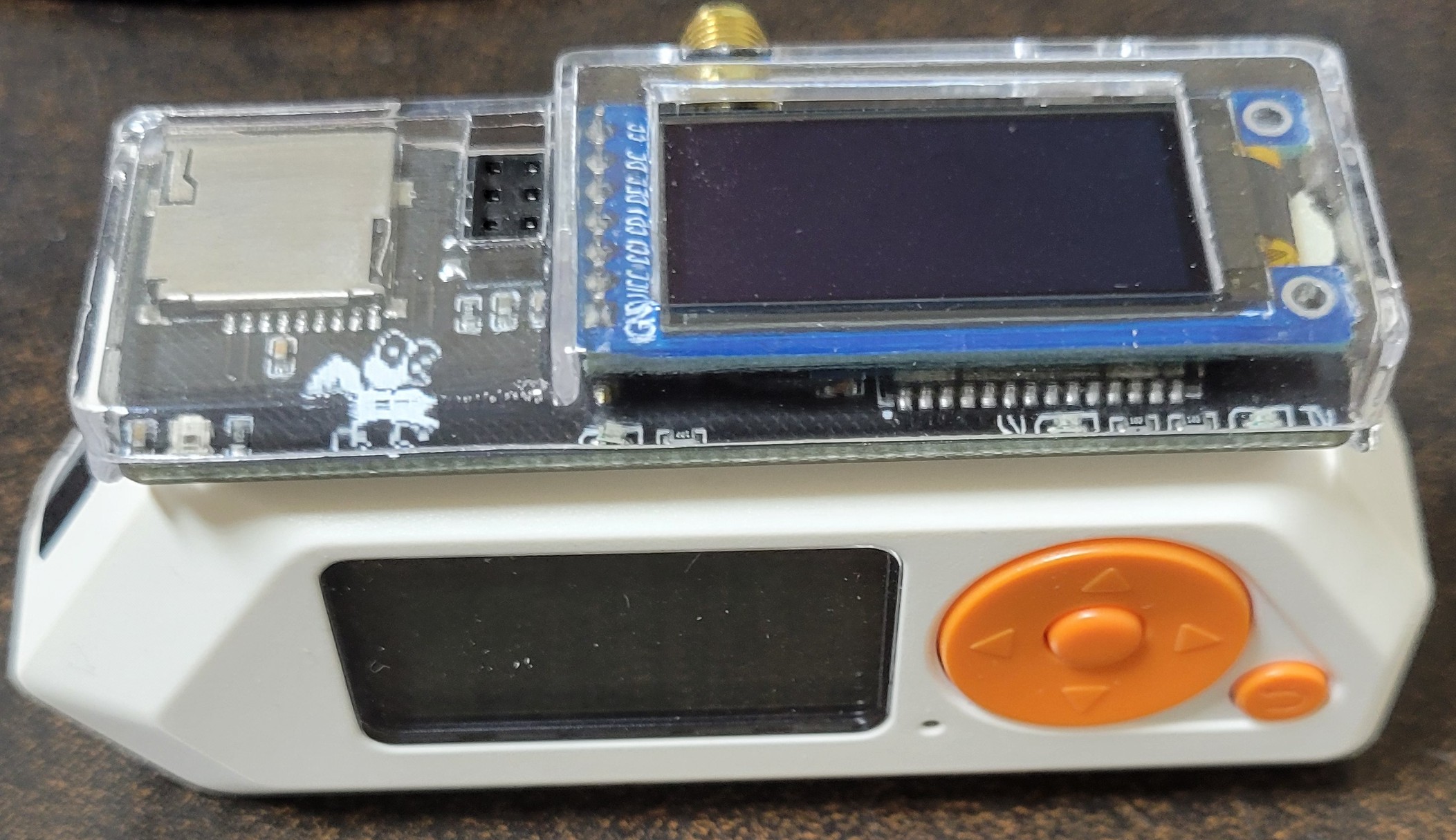
Live Ruckus Game Over Third-party Flipper module — ESP32-S3 + CC1101/NRF24 daughter slot. Wi-Fi/BLE/sub-GHz/2.4 GHz. Live
 Live
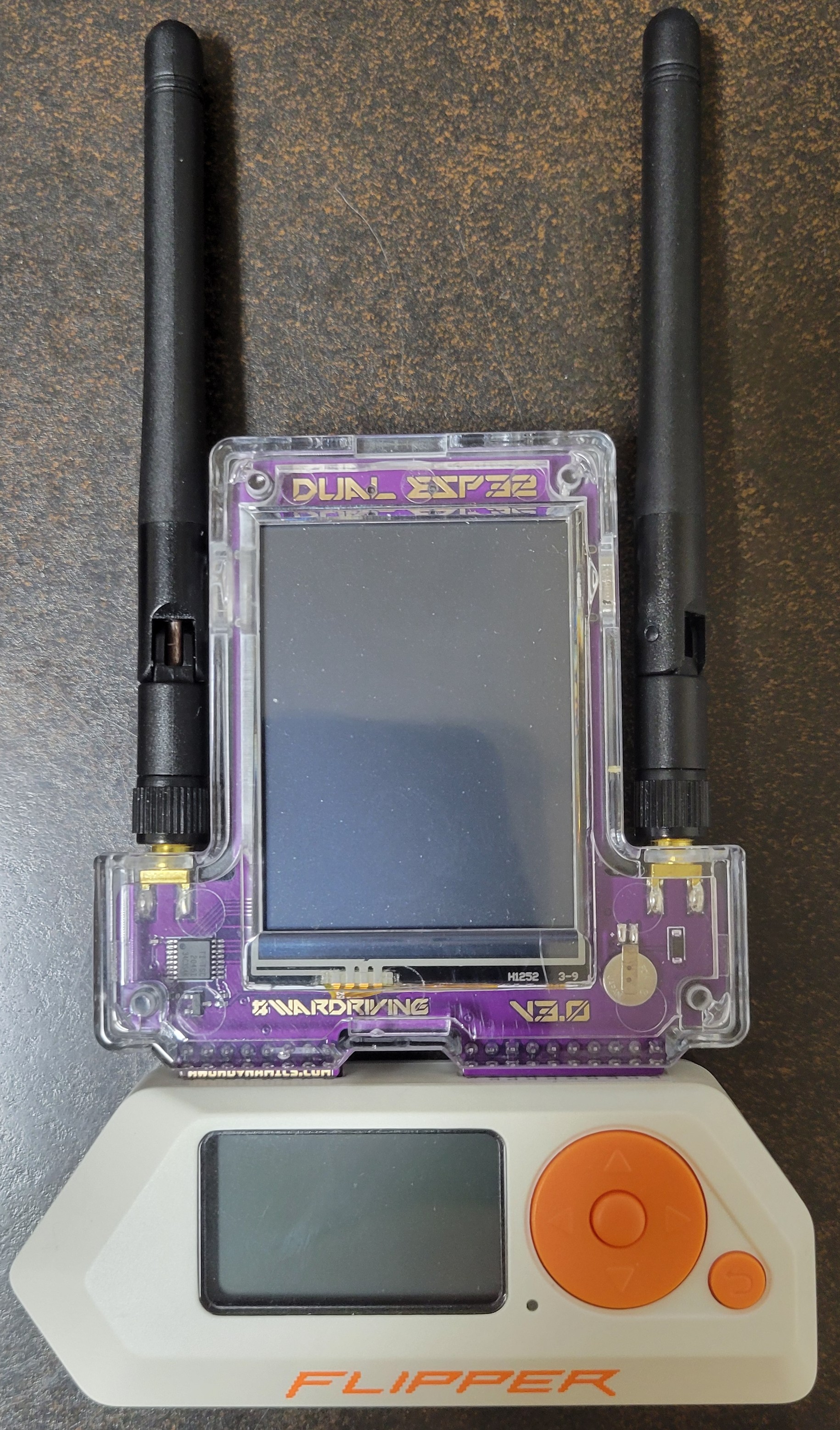
Live AWOK Dual Touch V3 Third-party Flipper module — dual ESP32-WROOM + resistive touch + on-board GPS, wardriving. Live
 Live
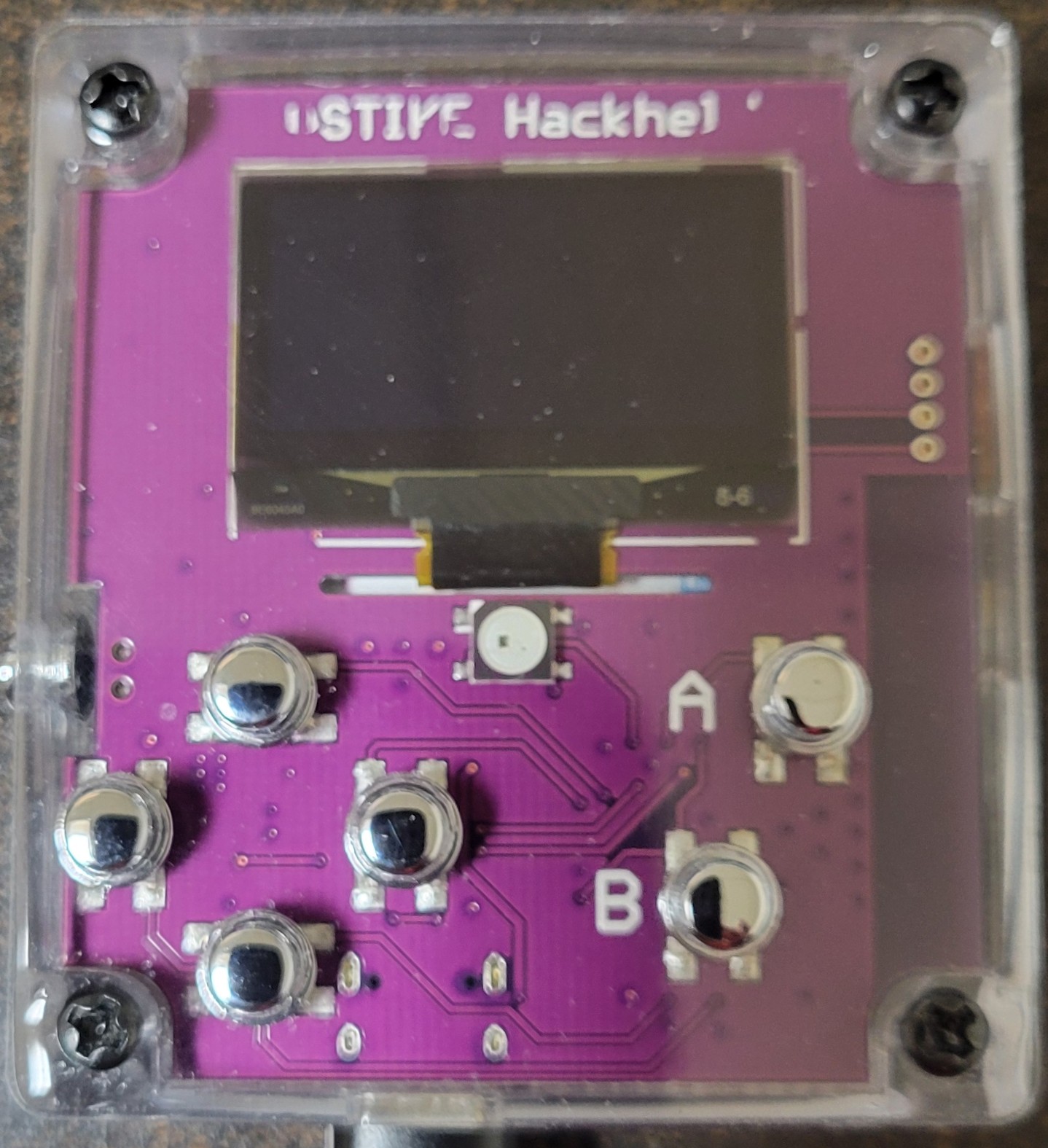
Live DSTIKE Hackheld ESP8266 standalone Wi-Fi attack handheld running Spacehuhn deauther firmware. Live
 Live
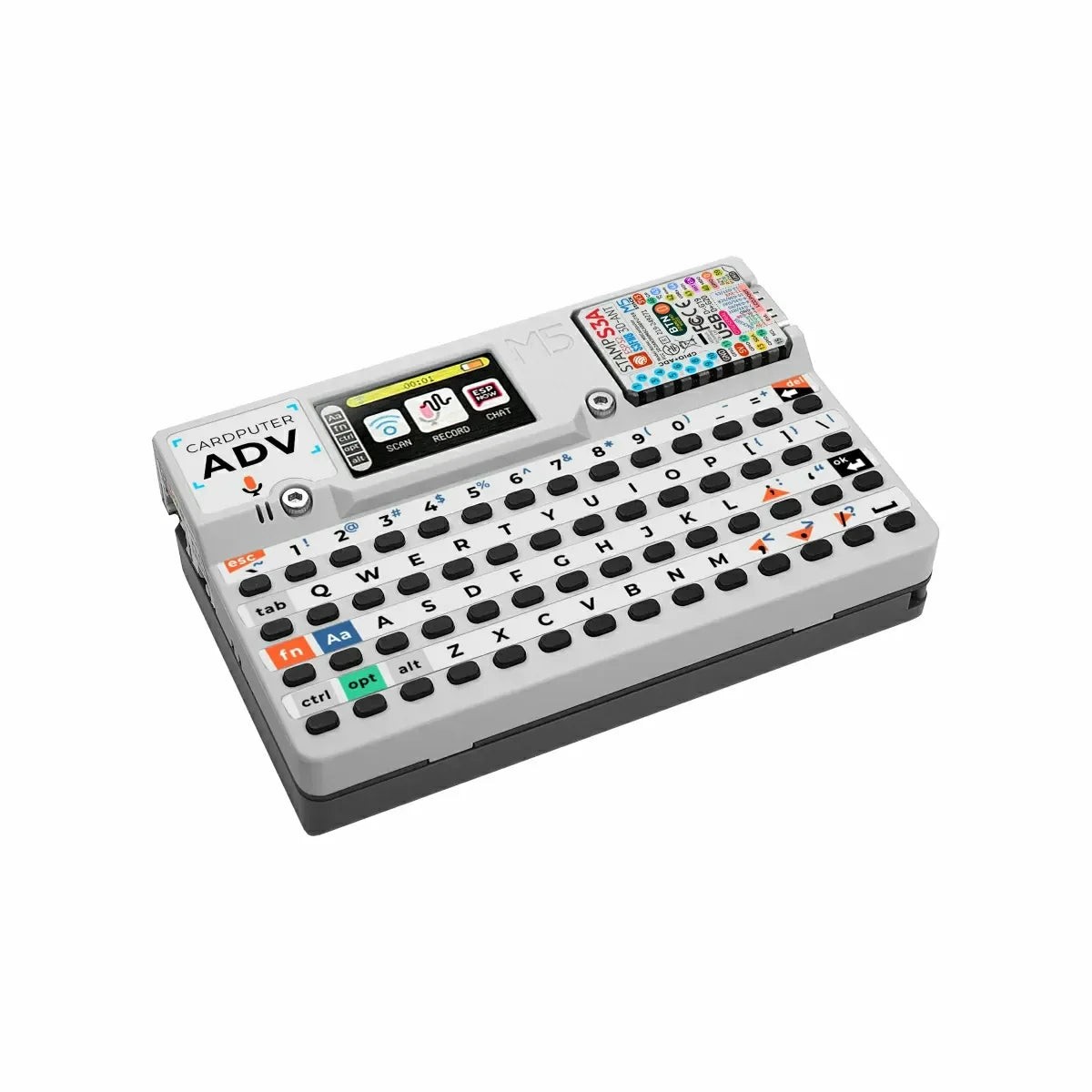
Live M5Stack Cardputer ADV ESP32-S3 + QWERTY + LCD — a credit-card-sized programmable bench tool. Live
 Live
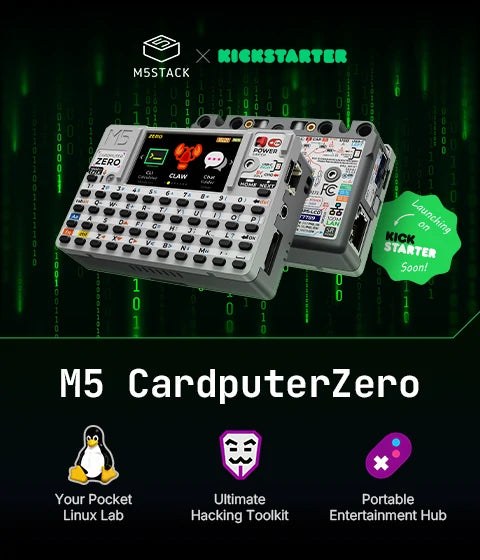
Live M5Stack Cardputer Zero The compact sibling of the ADV — smaller, leaner, still ESP32-based. Live
 Live
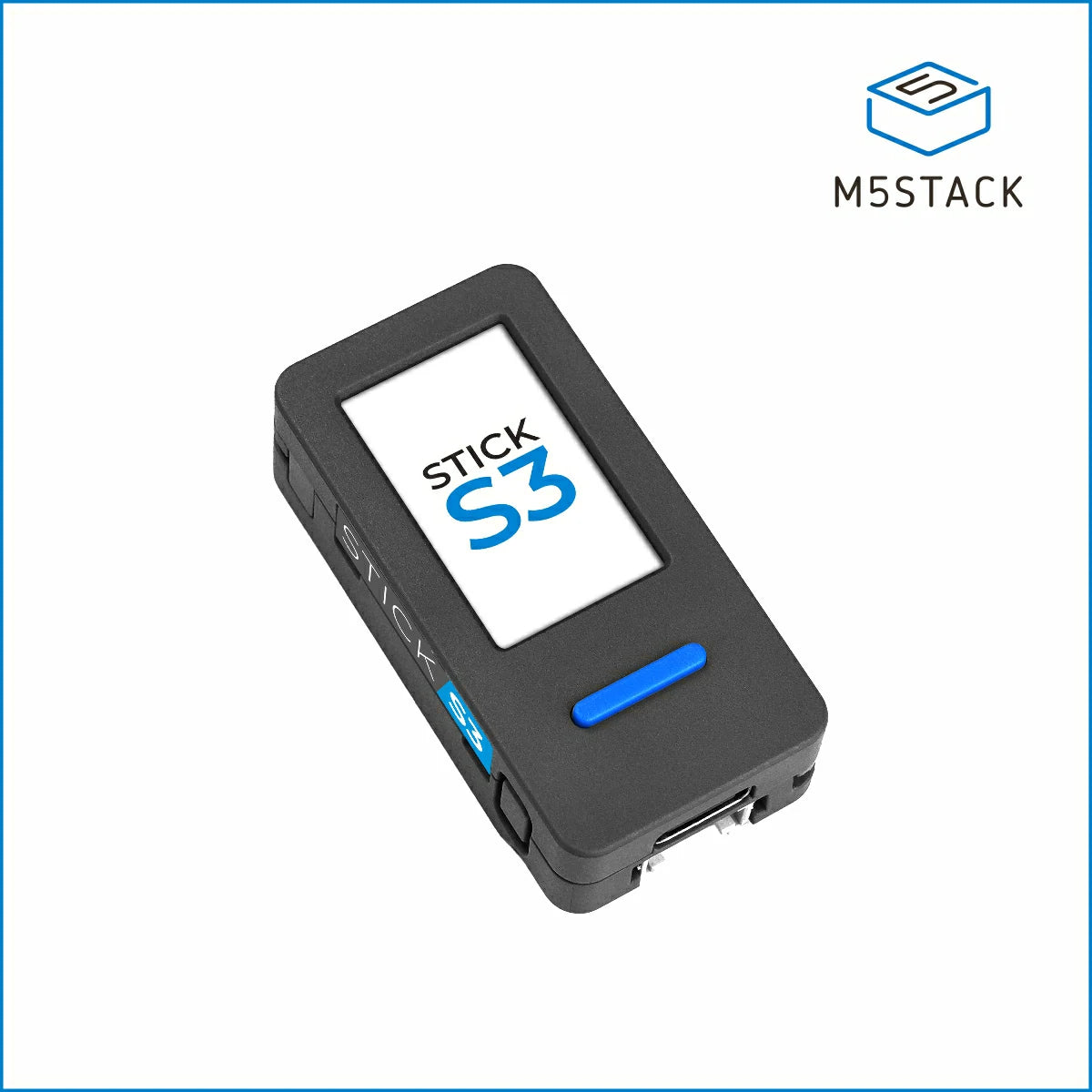
Live M5Stick S3 ESP32-S3 wand-form-factor with IMU, mic, and tiny LCD — pentest charm-bracelet. Live
 Live
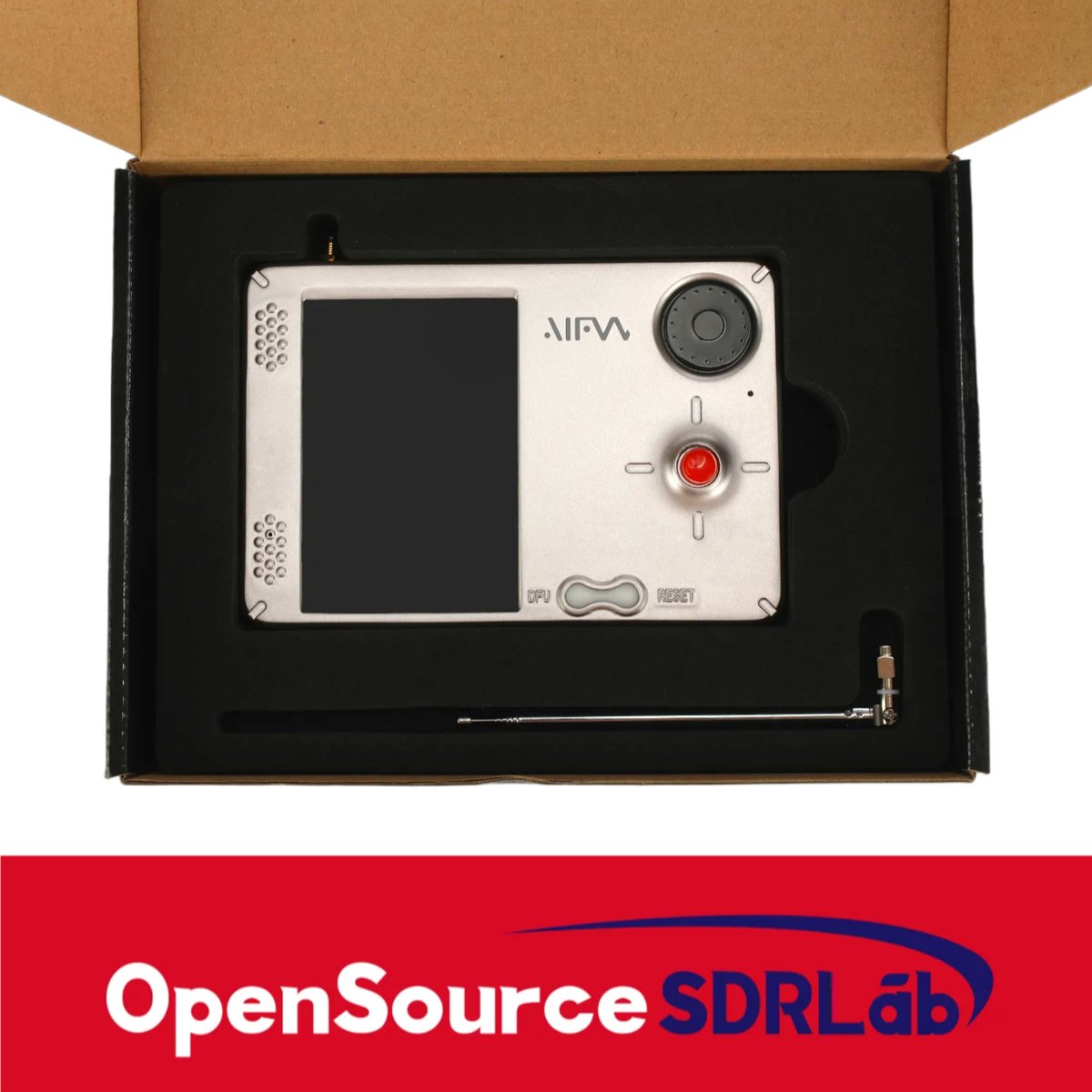
Live OpenSourceSDRLab PortaRF Standalone PortaPack-style chassis with built-in HackRF clone — no host PC needed. Live
 Live
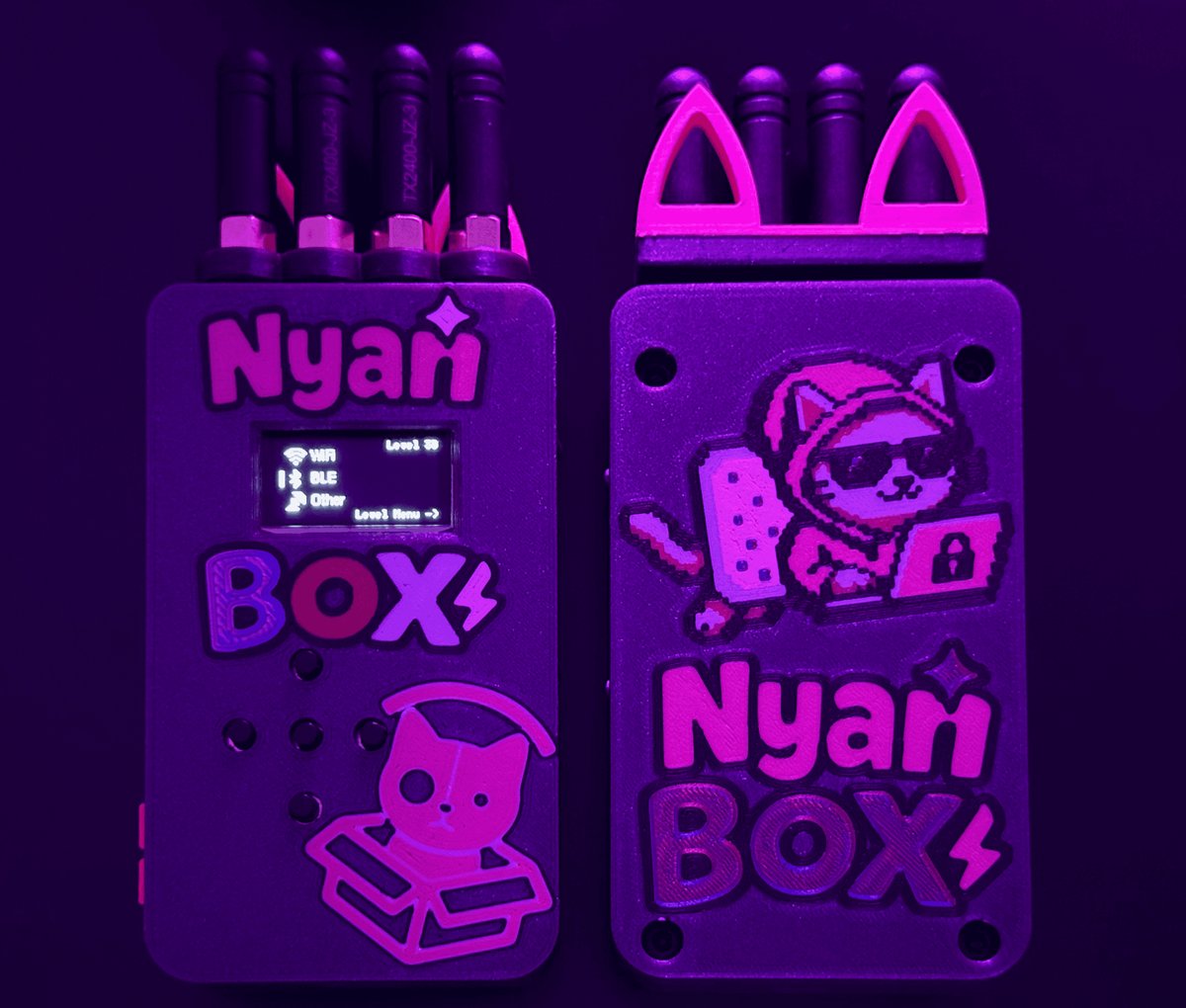
Live Nyan Box Cat-themed network mischief kit — ESP32-based, OpenSource hardware/firmware. Live
 Live
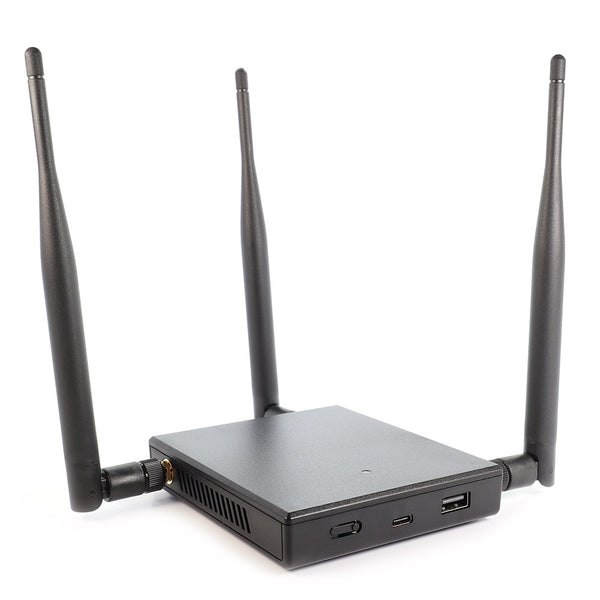
Live Wi-Fi Pineapple Hak5's flagship Wi-Fi auditor — the platform much of modern wardriving learned from. Live
 Live
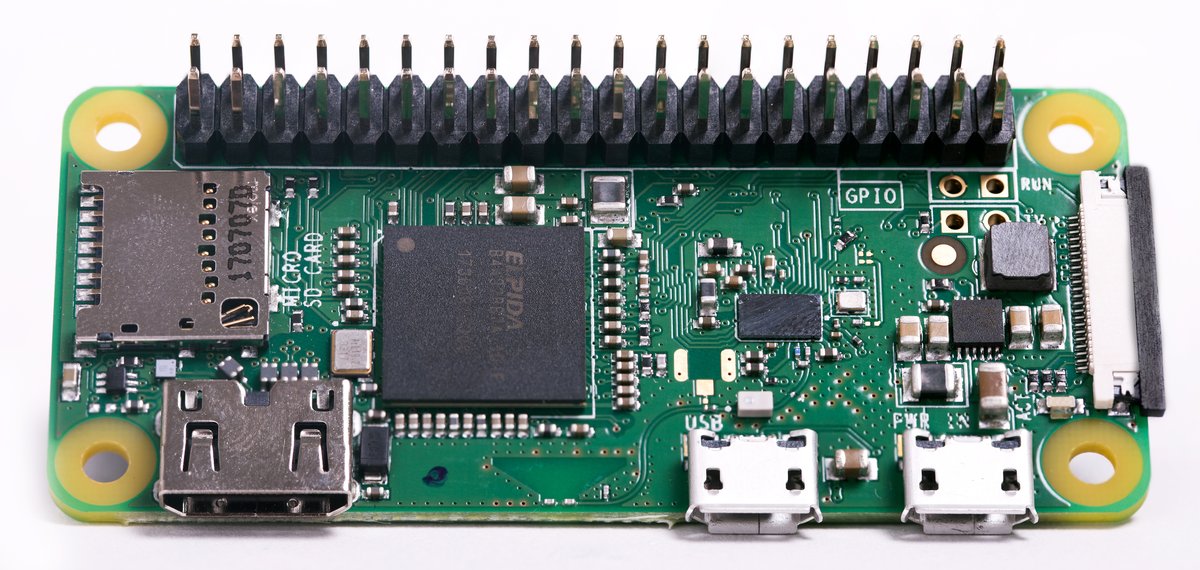
Live PWNagotchi A Pi Zero W "Tamagotchi for Wi-Fi handshakes" — RL-driven captive-portal hunter. Live
 Live
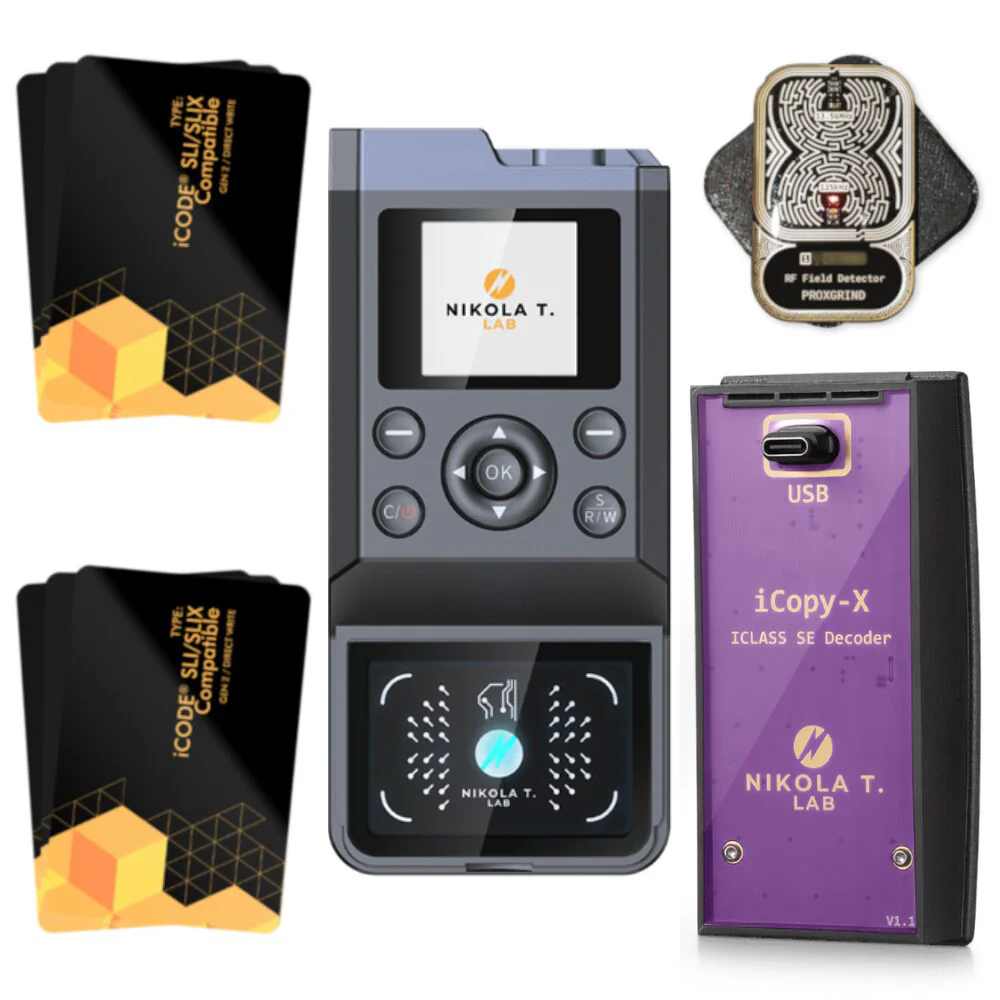
Live iCopy-X Lab401 portable RFID/NFC cloning appliance — push-button replacement for Proxmark3 when the goal is "clone this card to that card, fast." Live
 Live
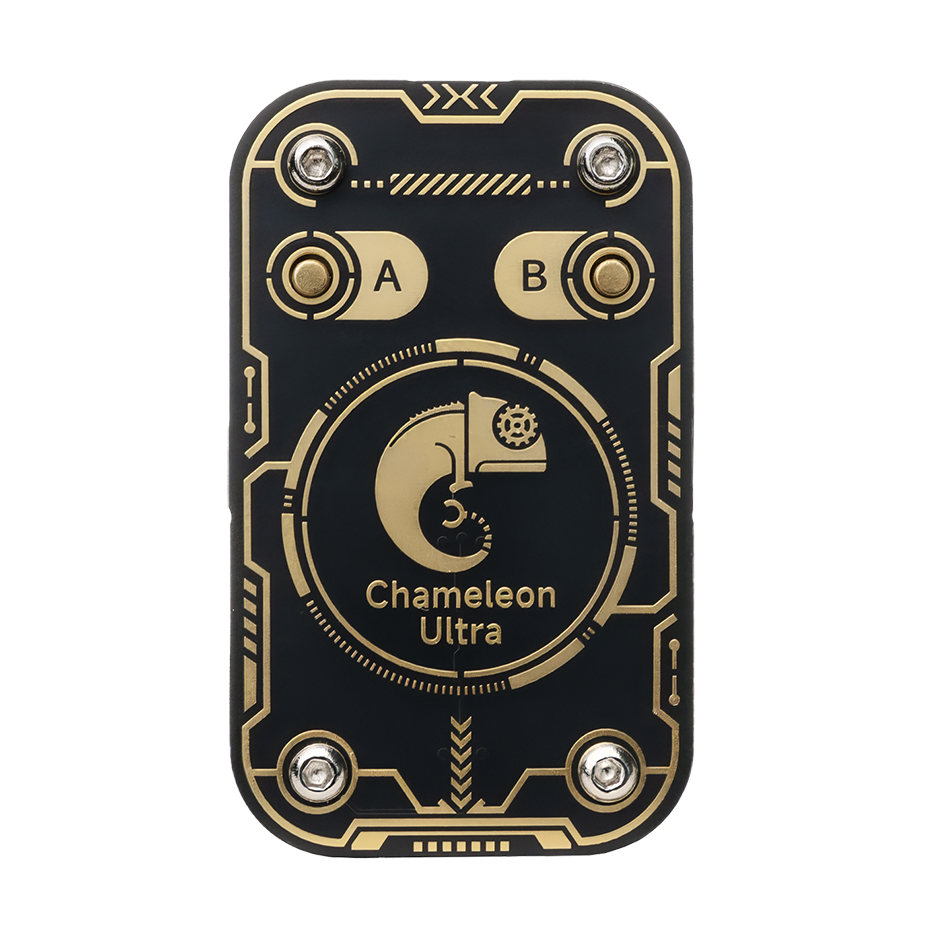
Live Chameleon Ultra NRF52840 RFID/NFC emulator — 8 HF + 8 LF card slots, MIFARE Classic attacks, BLE-driven. Live
Firmware & Languages (1)
Code that runs on the metal
Research (2)
Connective tissue
 Live
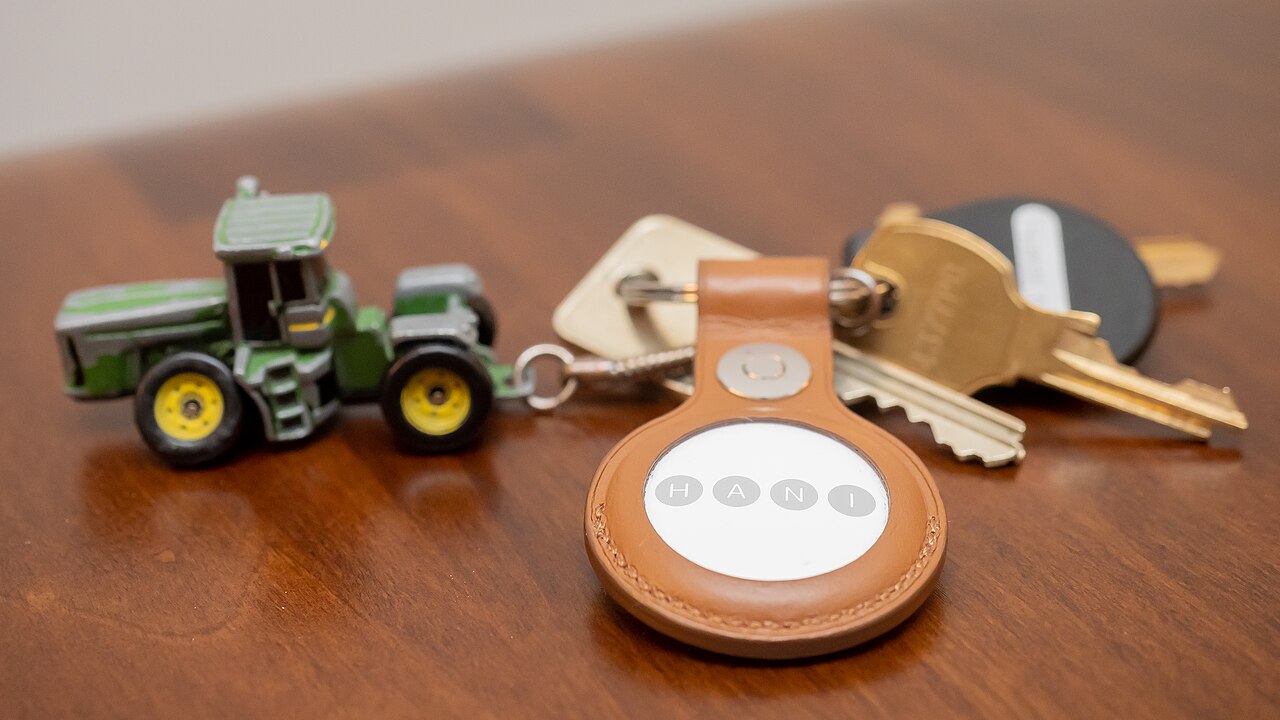
Live AirTags Item trackers ("air tags") end-to-end — the BLE Find My network, UWB, NFC/anti-stalking theory, the tracker varieties, and the counter-surveillance half: detecting hidden tags. Live
 Live
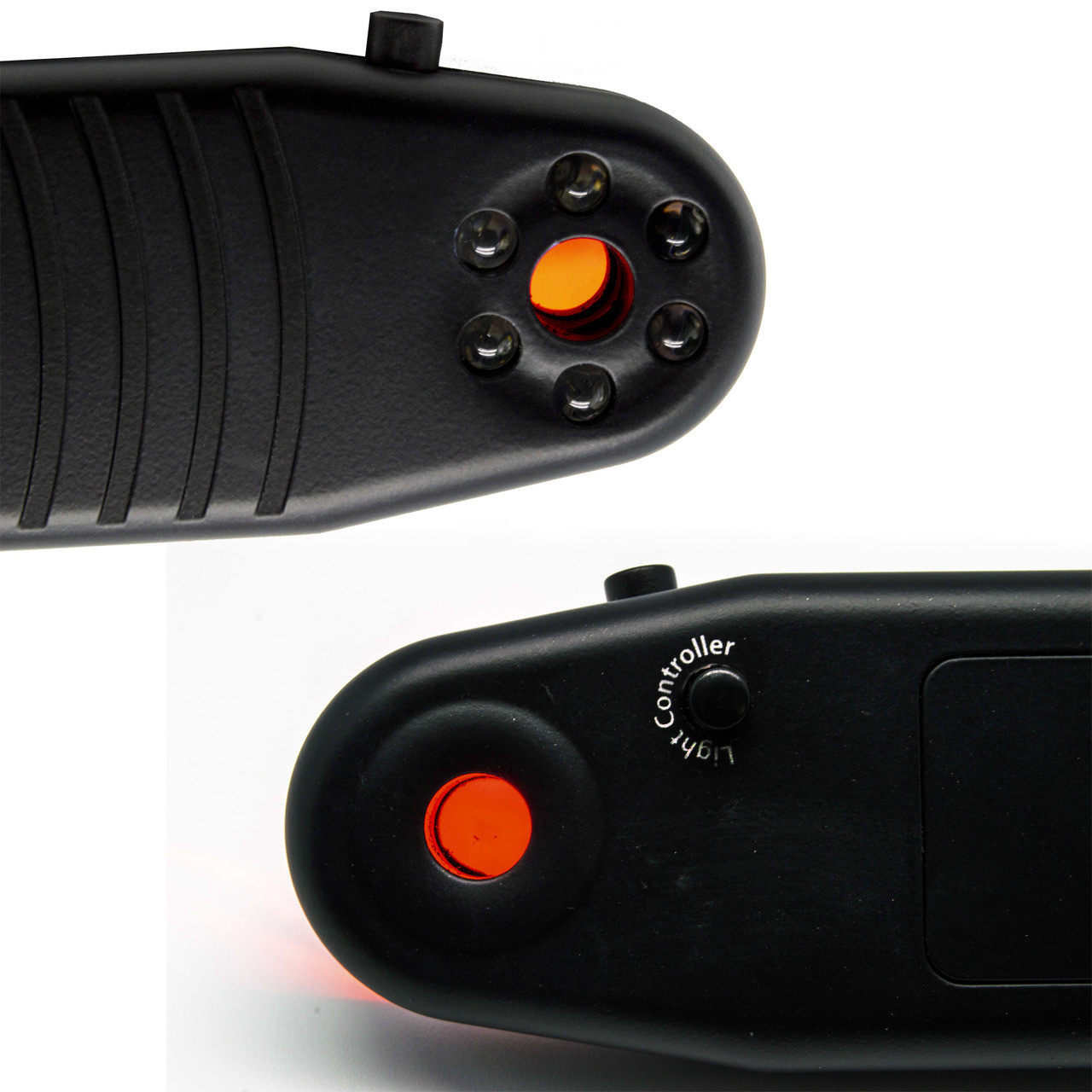
Live Camera Detection Hidden-camera counter-surveillance end-to-end — finding cameras across every emission class (Wi-Fi/IP, analog wireless, cellular, non-emitting SD-only), a survey of commercial + DIY detectors, and building your own ESP32 Wi-Fi-camera finder. Live
Get new content
Occasional emails when something significant ships. No spam, unsubscribe anytime.